
About the archive

A curated record of the northern coasts lighthouse network.

This archive gathers place, memory, and material evidence so readers can follow how coastal lights guided ships, shaped settlements, and still mark the shoreline today.

Coastal network

From exposed headlands to harbor approaches, the northern coast developed a chain of lighthouse stations that worked together as a navigation system. This section outlines that connected geography rather than isolated landmarks.

Archive focus

Our material centers on archival photographs, keeper accounts, and concise reference notes. The goal is to keep original voices and visual records close at hand while making them easy to scan for students, researchers, and visitors.

Why preservation matters

Preserved towers and documented stories help connect present-day coastal life with maritime history. Recording these sites supports local heritage work and helps future readers understand what remains, what changed, and what was lost.
Historical sequence

Timeline highlights of the northern coast lights

A concise chronology to place keeper accounts, archive photographs, and preserved towers in their historical context.

  1. The first fixed coastal beacon is recorded at North Head, marking the start of formal navigation lighting.

  2. A coordinated chain of stone towers begins operation, reducing wrecks along the storm-prone outer shoals.

  3. Fresnel apparatus arrives at key stations, extending visibility and reshaping nightly traffic routes.

  4. Interwar modernization introduces radio signals while keepers continue manual weather and light logs.

  5. Regional preservation status secures surviving towers, launching the archive and public interpretation era.

Life Around the Lantern

Coastal service was as much daily labor as maritime warning.

From dawn checks to storm-watch nights, station life balanced routine, risk, and steady ties with nearby harbor communities.

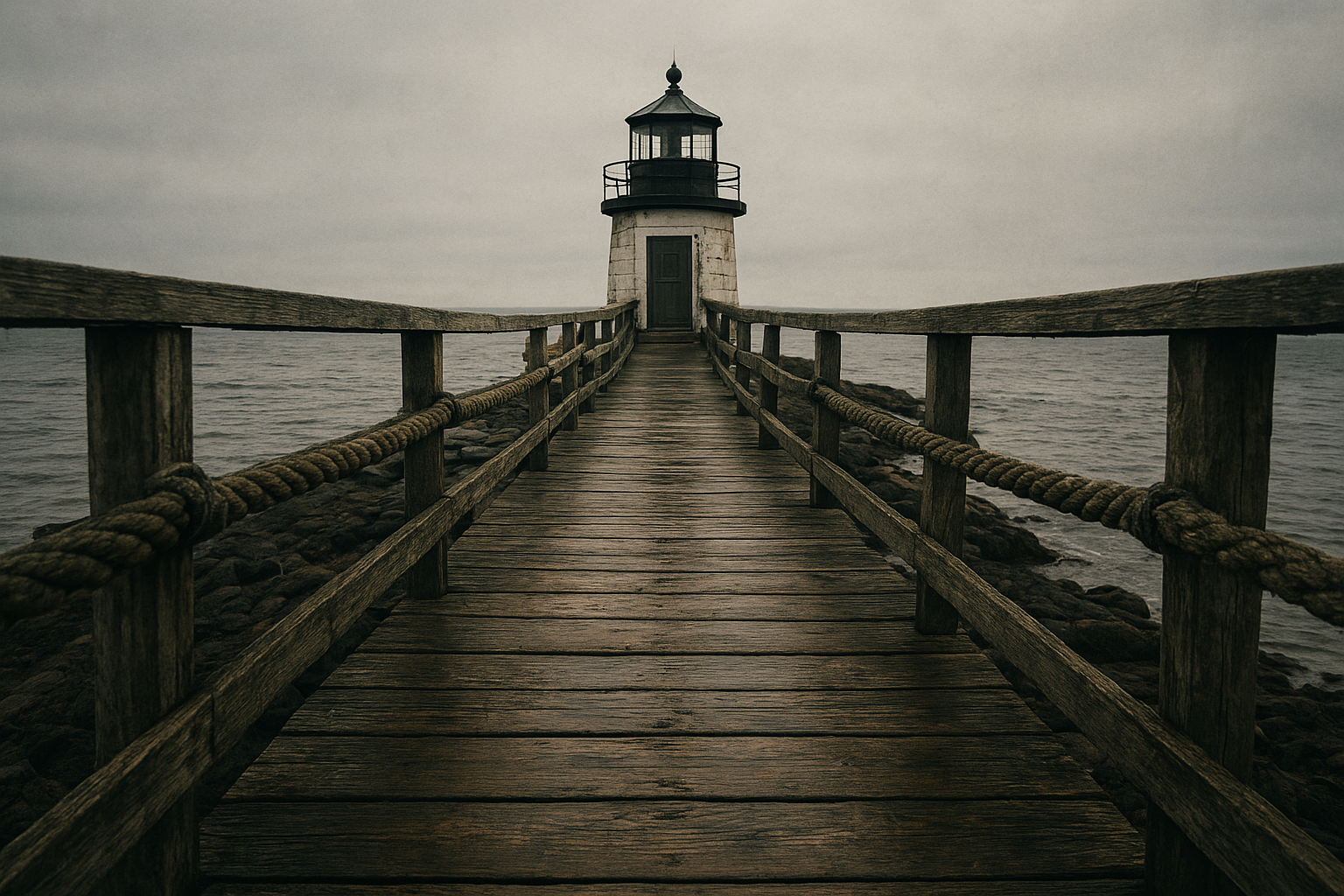
Weathered wooden station walkway with salt-worn railings leading toward a lighthouse outbuilding under a gray coastal sky
Field note: Salt, wind, and spray marked every surface around exposed stations.

Routine

Keepers logged lamp trims, lens cleaning, and signal checks by strict hour, with maintenance fitted between tide windows and weather shifts.

Storm Exposure

Winter gales pushed spray over gallery rails and shook tower fittings, turning each watch into a test of endurance and practical seamanship.

Supplies & Community

Food, fuel, and letters arrived by boat or cart, linking isolated stations with fishers, merchants, and families who shared coastwise knowledge.